
Team members: Una Bauer, Nina Gojić, Ana Kuzmanić, Marija Krnić, Sanja Sekelj, Hana Sirovica
Transgressing Crises evolved as a group dedicated to reading, watching, and thinking about the specificities and issues within the cultural and artistic fields, especially those that limit culture’s wider reparative potentials. The research process as a whole reflected the Testing Ground project’s focus on methods, involving not just thinking on “what” we researched, but also constantly questioning “how” we share and collaborate.
Central part of our process was directed towards collaboratively seeking out examples of cultural practices that can act reparatively towards their wider social context, i.e. that can work to repair societal frictions and divisions. In a way, the meetings as a format that explored modes of collaboration and communication were a primary “testing ground” of the research process.
In a project-driven, hyperproductive and goal-oriented cultural landscape, we agreed on the importance of gathering and sharing in a physical space, taking time for the discussions, observations and insights to develop and extend, without pressure to produce or conclude, served as a remedial strategy by itself. Recognizing that reparative methods involve a different ways of doing/producing, we decided to devote itself to seeking unhierarchical modes of discussion and collaboration, creating a “brave space”: a space of discussion and sharing where dissagreements and differences in opinions and sentiments are welcome. As the group was formed by six members working in different spheres of arts, culture and education, bringing approaches spanning from visual arts and art history, dramaturgy, editing to therapy,
Our main overlapping focuses, exploring several systemic issues limiting the capacities of culture and arts:
1) distribution of power within (artistic) education and academia as knowledge production mechanisms,
2) issues related to specialization of knowledge (in spheres of culture, arts, science),
3) the infrastructural obstacles to creative work (precarity, power relations within the field),
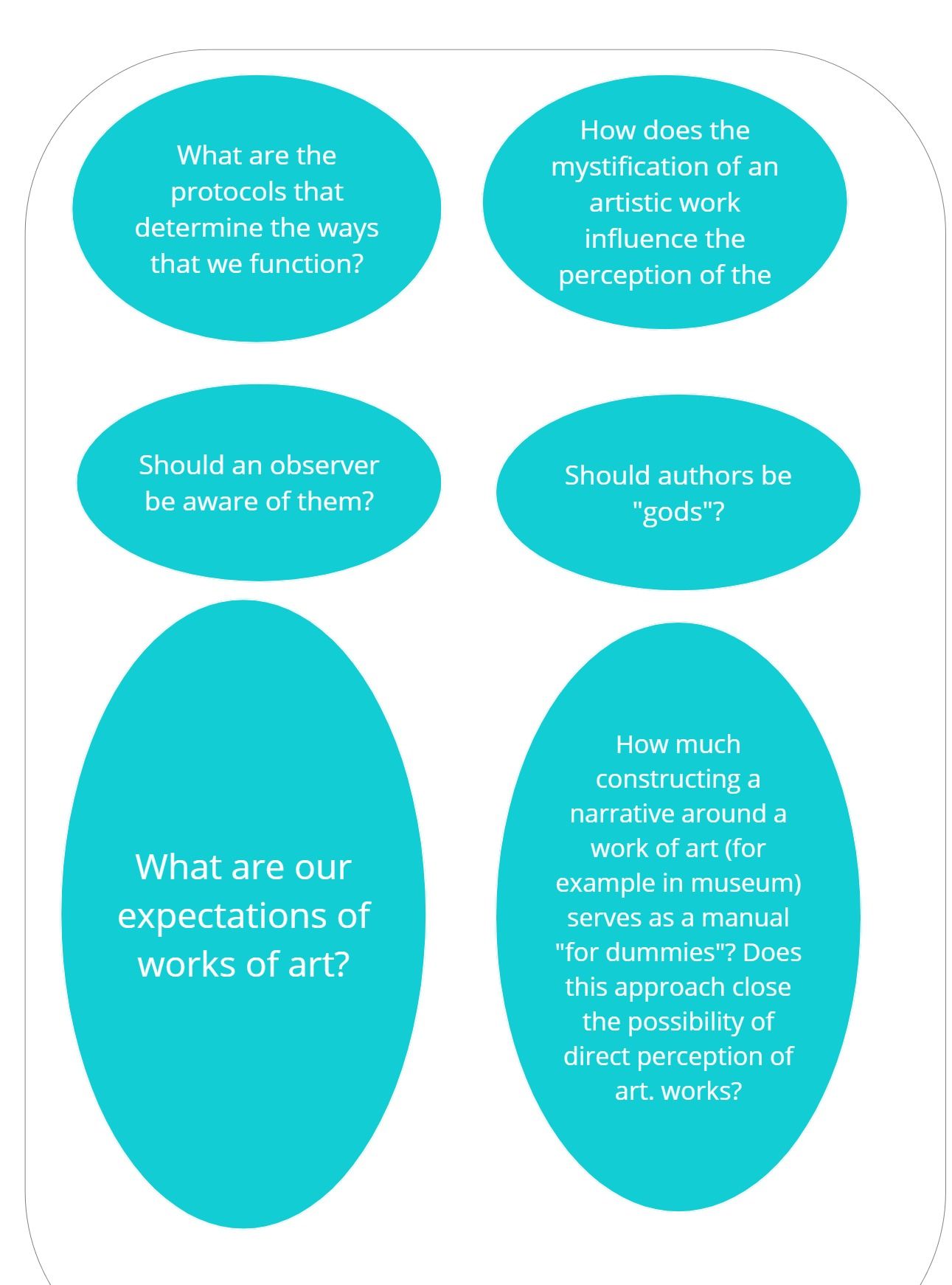
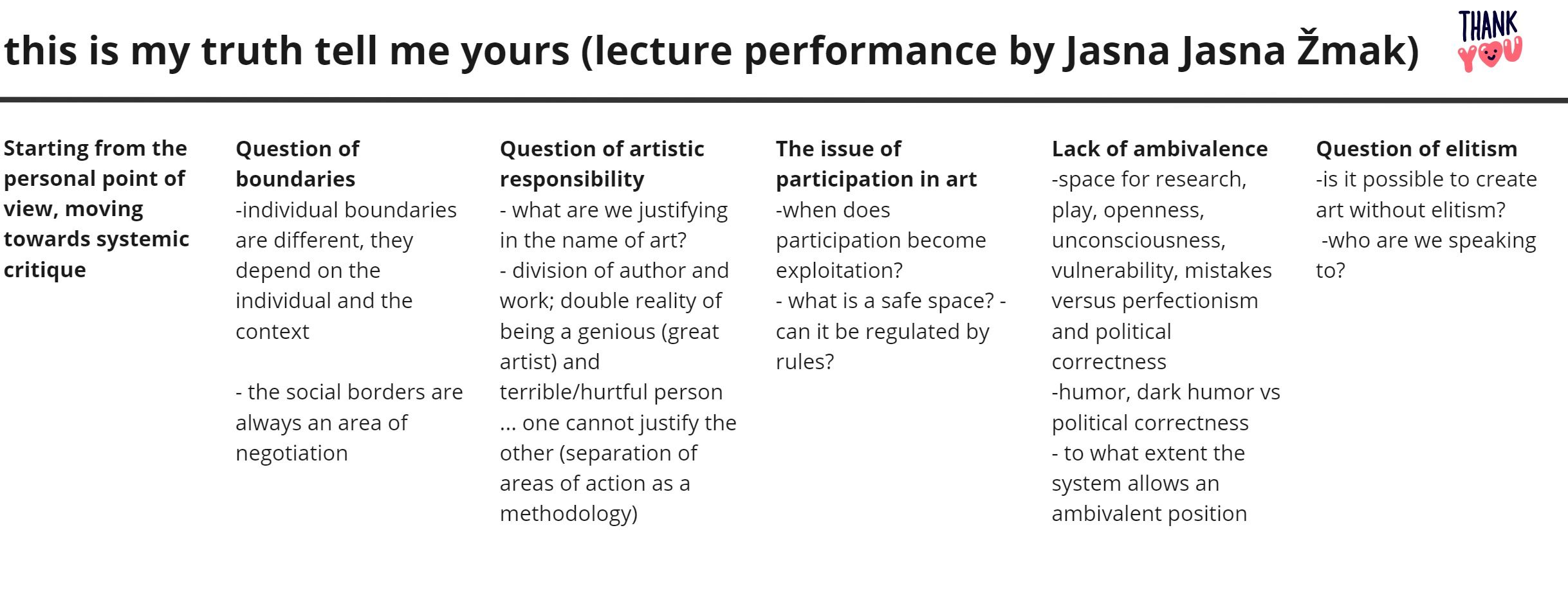
4) the questions of various boundaries in arts (contemporary art’s hermeticism and elitism, authorship and author’s responsibility, ethical and political boundaries in artistic production).
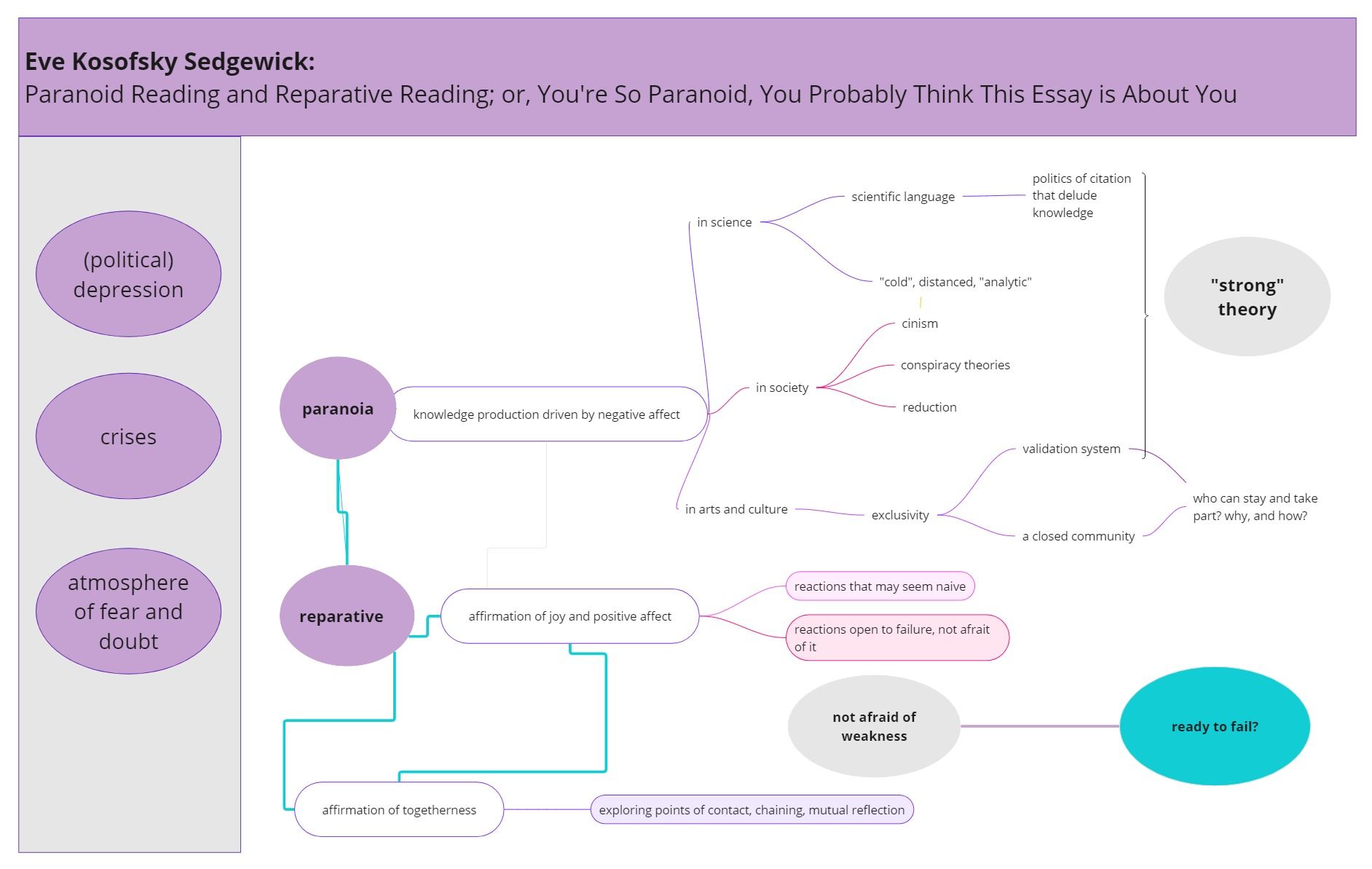
The process was kicked-off with a thorough reading and discussion on Eve Kosofsky Sedgwick’s famous essay Paranoid Reading and Reparative Reading; or, You’re So Paranoid, You Probably Think This Essay is About You. The essay served as a foundation, as it defines reparative position (which is open to the unexpected) in contrast to paranoid (which is a defensive position, not susceptible to change, seeking to protect the status quo).
After agreeing that the contemporary public sphere is shaped by various paranoias and fears of change – such as growing divisions labeled “culture wars”, skeptic reactions to the developments following the recent pandemic and ongoing economic crises, growing racism, ableism, sexism, and other cultural/symbolical formations that form rigid social divisions, limiting exchange or change of positions and attitudes – the team decided to take the direction of identifying reparative cultural and artistic practices by looking into specific examples from various contexts: performing arts, film, popular and online culture, music, visual arts.
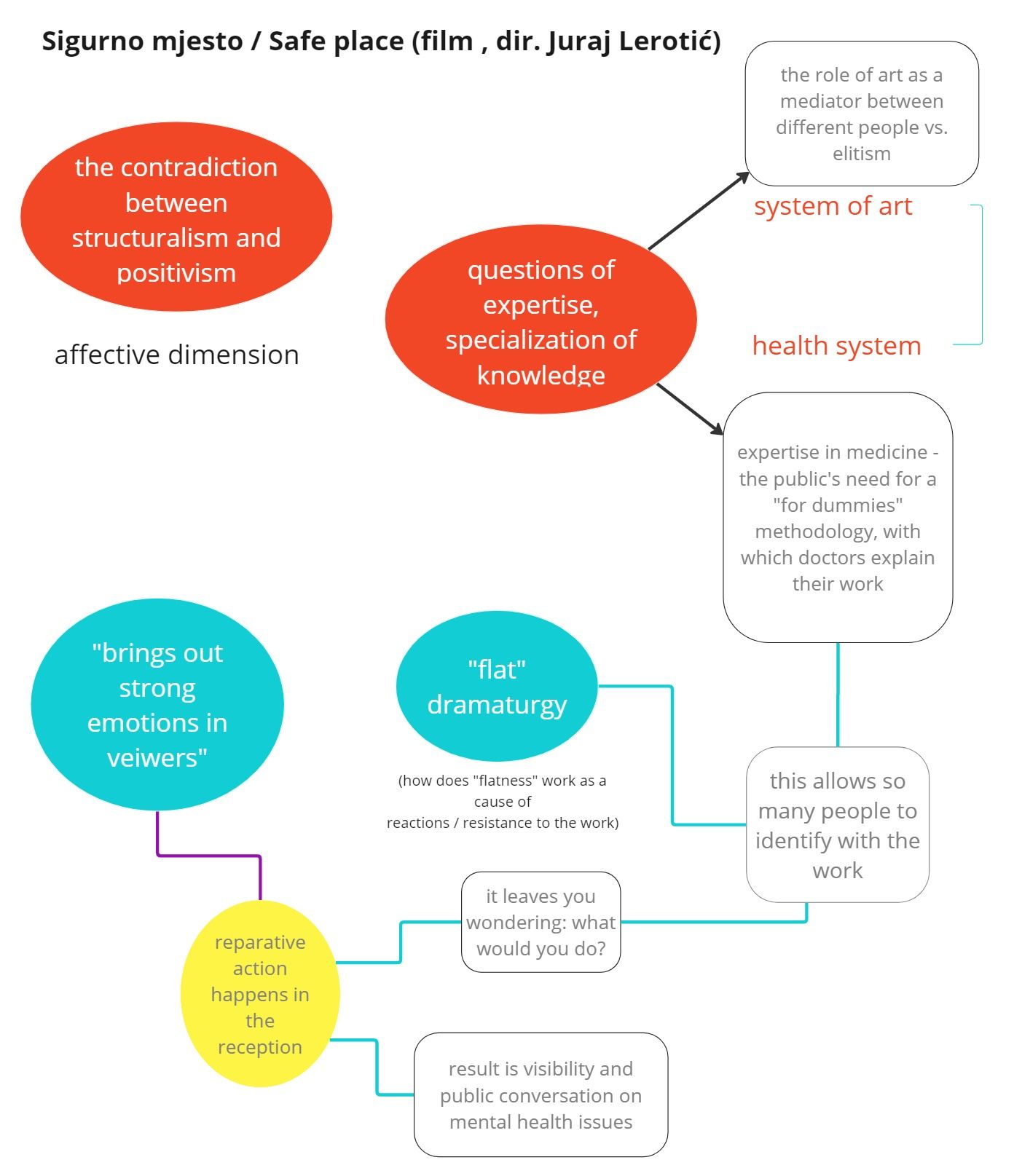
Each of the sessions looked into reparative potential of specific works in relation to a certain system that needs repairing: mental health system, educational system, artistic system, contemporary internet. Sessions were formatted as in-depth exchanges on specific examples, while discussing various others which became a part of a shared biblio/artography.
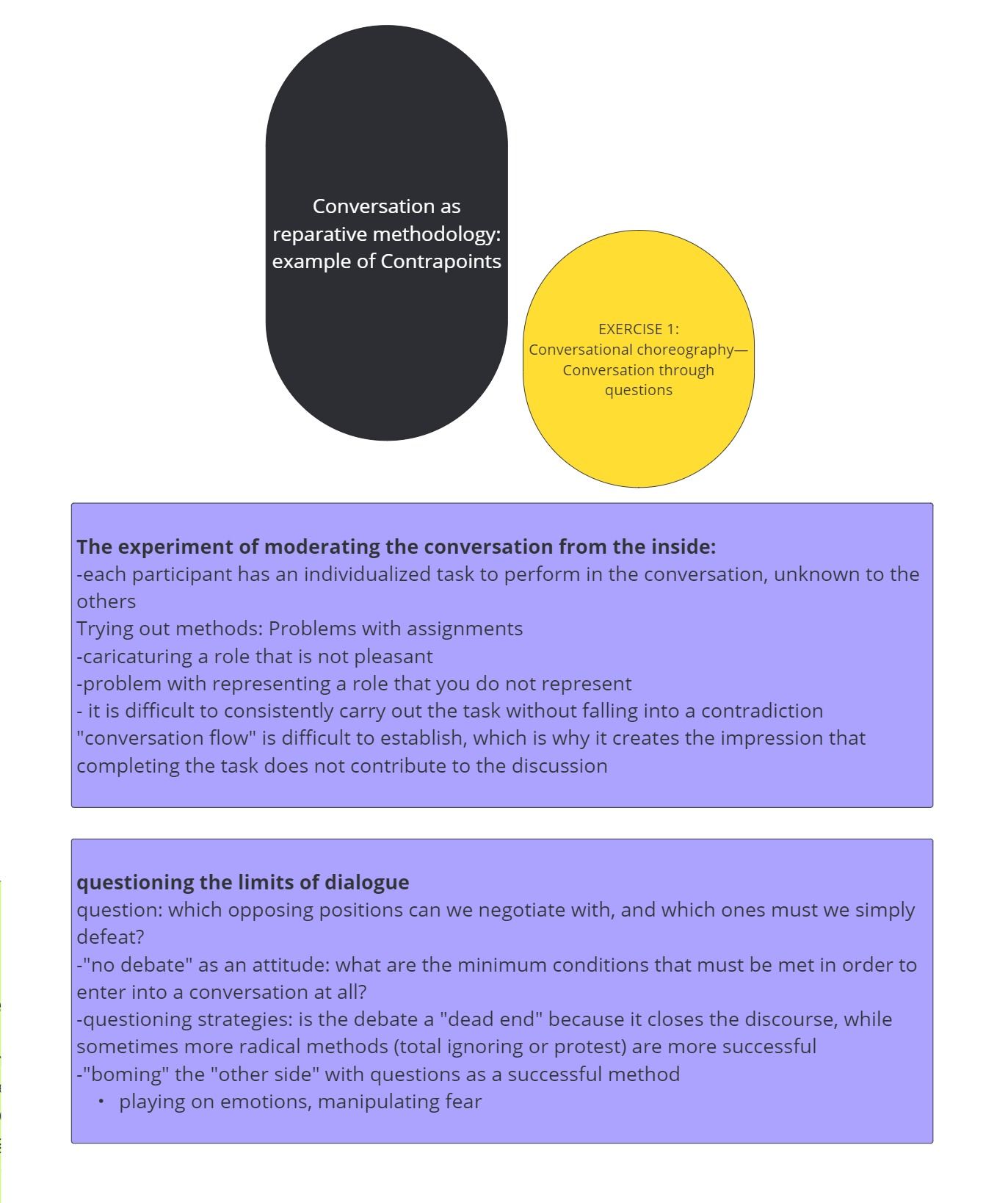
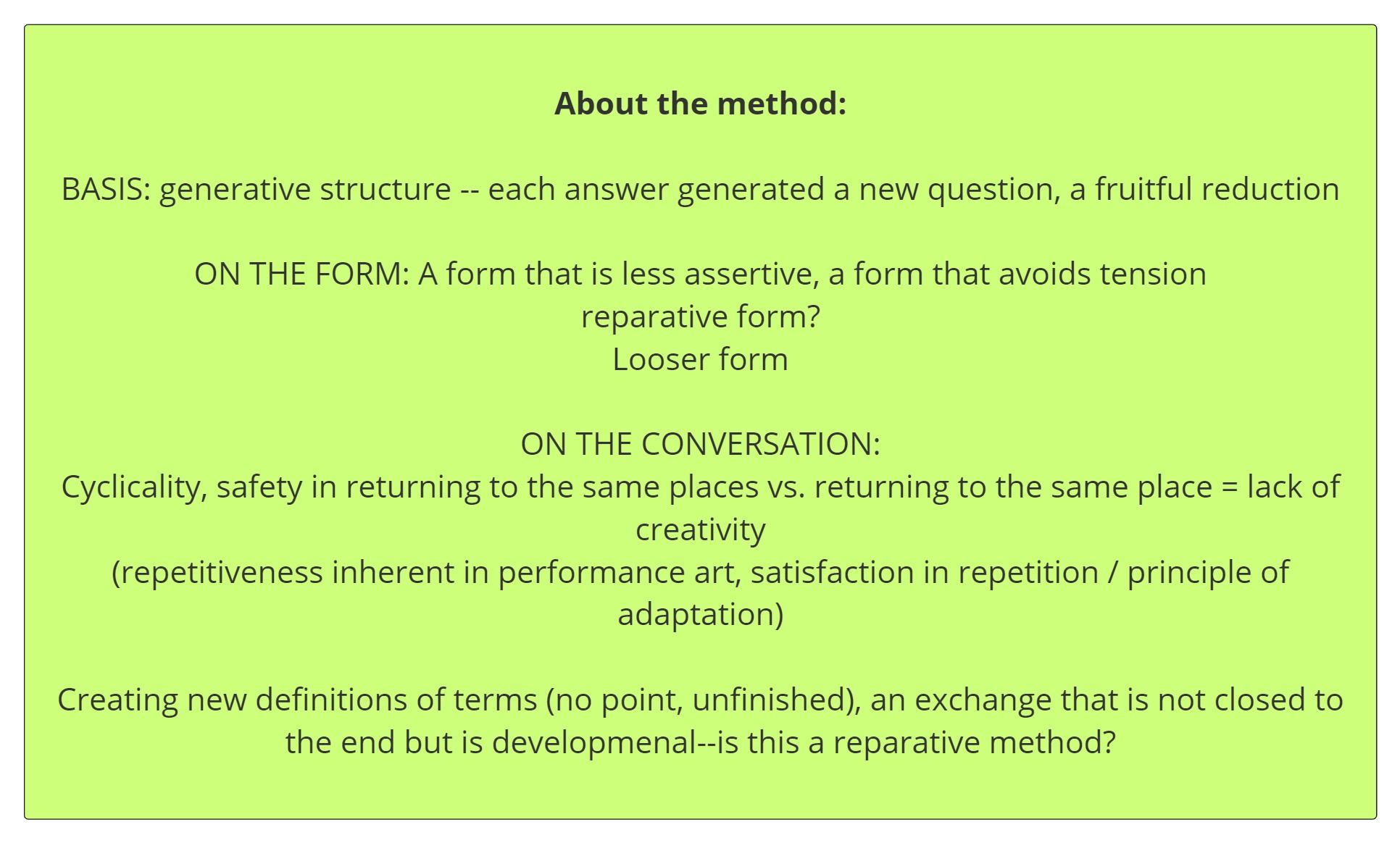
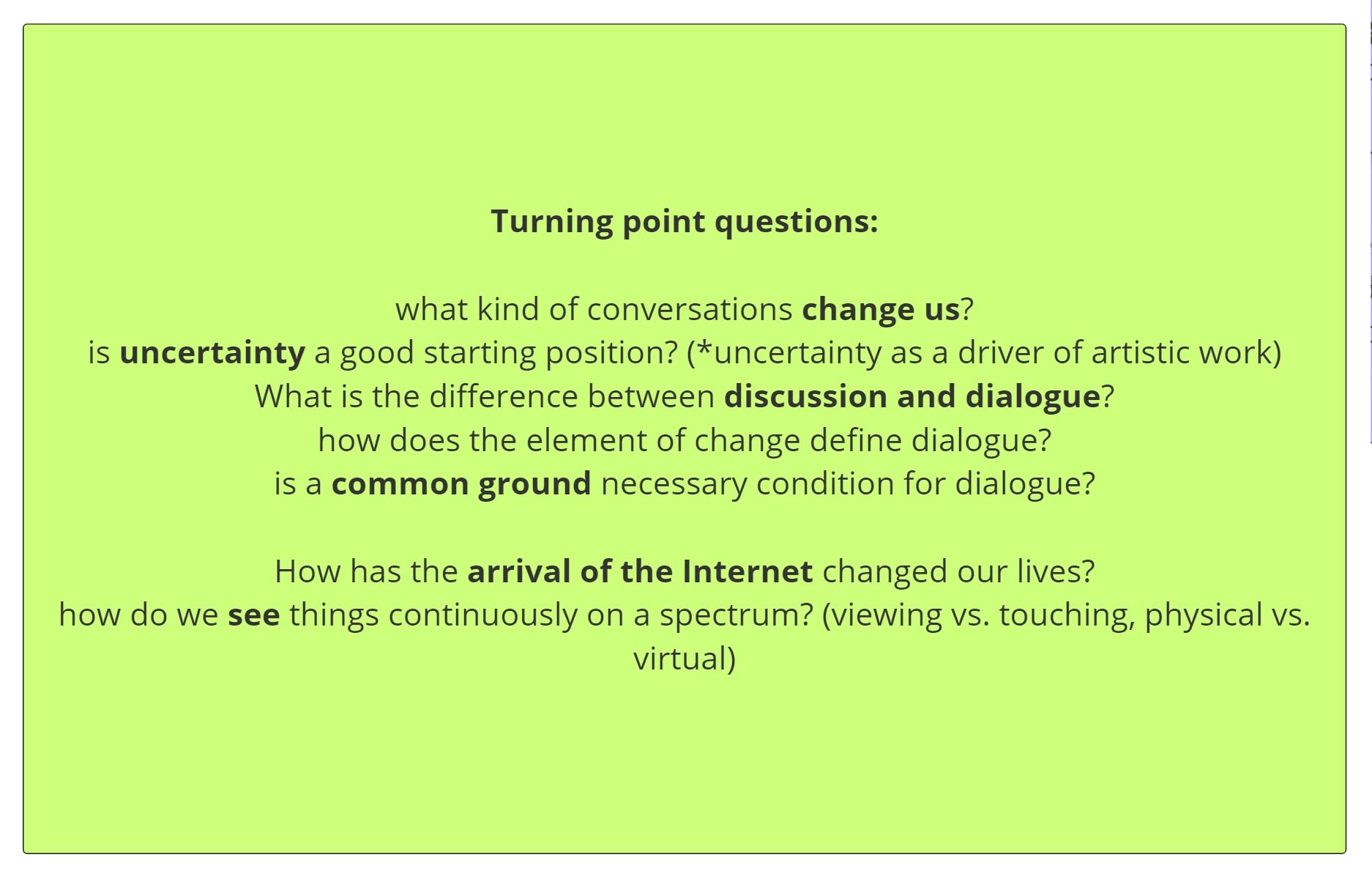
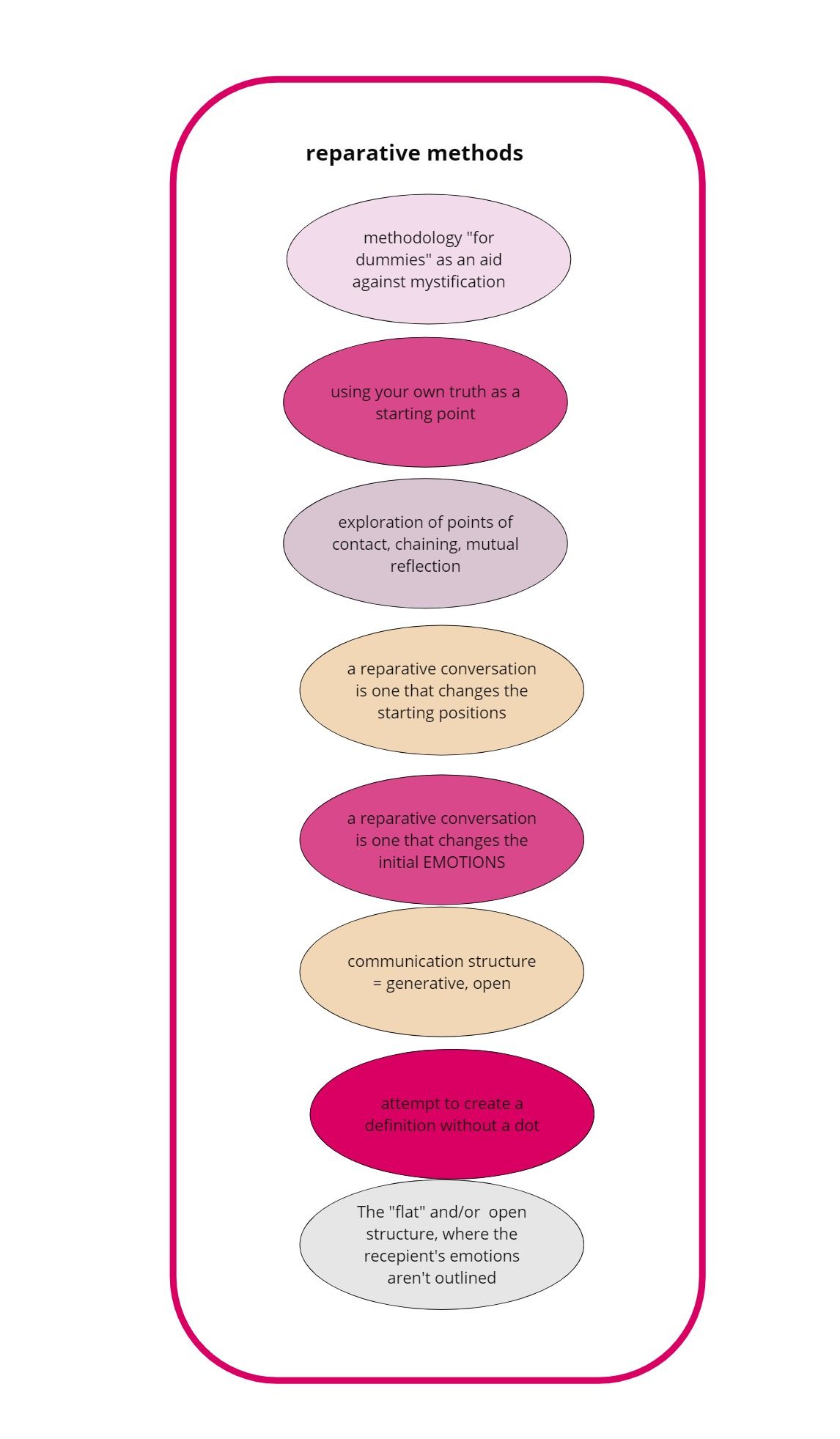
We decided to use digital collaborative board Miro as a visualization tool as a way of tracing / leaving notes of the collaborative process – and below, you can find some of the notes from our gatherings.
Some recommendations from our shared biblio/artography:
Sara Ahmed: The Cultural Politics of Emotion
Failure / Edited by Lisa Le Feuvre
Pip Williams: The Dictionary of Lost Words
Jose Esteban Muñoz: Queer Utopia – The There and Then of Queer Futurity
Lauren Berlant: Cruel Optimism
Martha Nussbaum: Upheavals of Thought: The Intelligence of Emotions
Juraj Letorić: Safe Place (Sigurno mjesto)